Vinyl just crossed $1 billion in annual sales — and most buyers are under 30. Here’s the real reason records are outselling CDs in 2026.
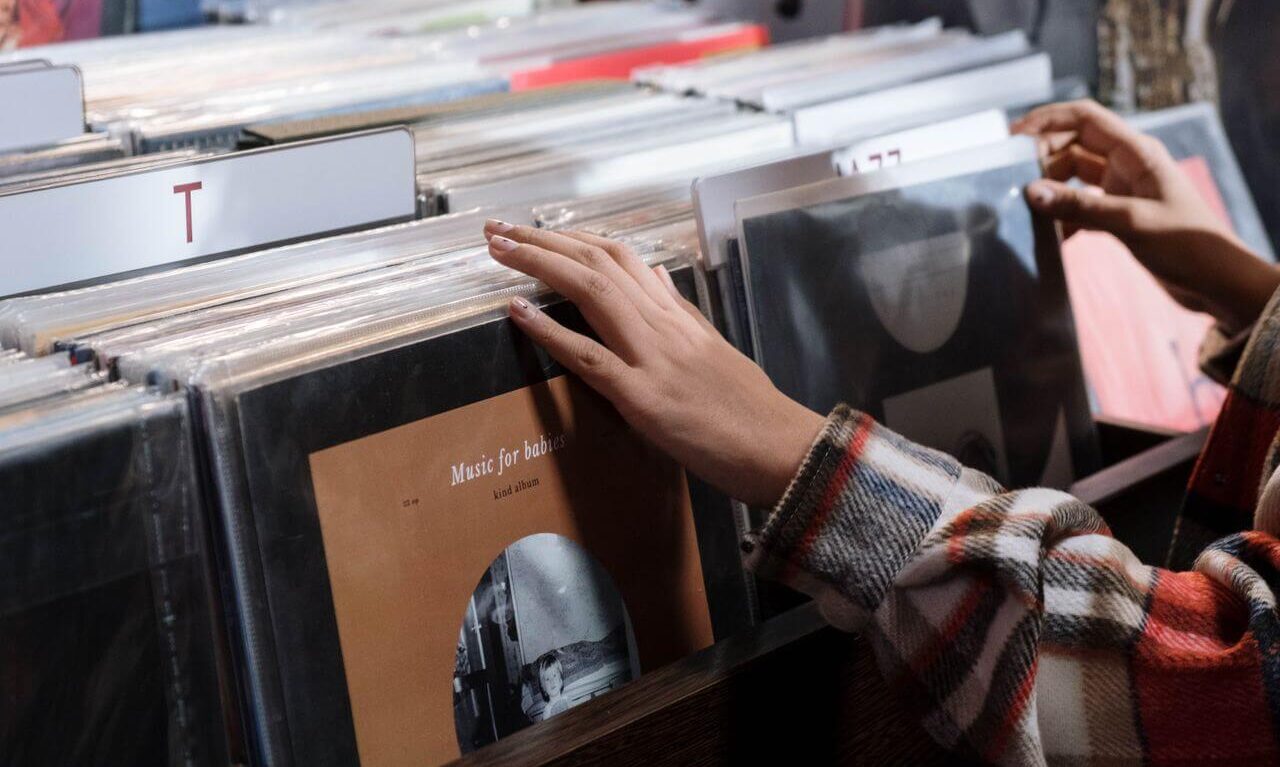
Walk into just about any record store on a Saturday afternoon and you’ll notice something that would have seemed impossible fifteen years ago: the crates are full of teenagers and twenty-somethings, not just collectors old enough to remember when vinyl was the only option. That scene is backed up by the numbers. According to the RIAA’s most recent year-end report, U.S. vinyl revenue topped $1 billion again in 2025, with roughly 47 million records sold — marking 19 consecutive years of growth for the format. Vinyl has now outsold CDs in unit terms every year since 2022, the first time that happened since 1987, and it remains the dominant physical music format heading into the back half of 2026 even as CDs stage their own surprising mini-comeback. It’s all part of a broader shift in music culture this year, one where owning something physical has become a statement rather than a fallback.
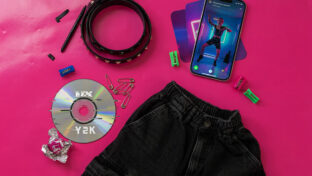
That CD resurgence is worth pausing on, because it complicates the easy version of this story. Luminate’s 2026 midyear report shows CD sales growing faster than vinyl’s — up 16% versus vinyl’s 2.4% — helped along by blockbuster physical drops like BTS’s “ARIRANG,” which moved over half a million physical copies in its opening week alone, including the largest single-week vinyl haul for a group since Luminate began tracking sales in 1991. But even with CDs clawing back ground, vinyl still leads in both units and dollars, and the underlying question — why are people under 30 spending real money on a format most of them grew up without — is where the actual story lives.
The Anti-Algorithm Appeal
Ask record store employees why younger customers keep showing up, and you’ll hear a consistent theme: control. Streaming gave listeners infinite catalog access, but it also handed a huge amount of curatorial power to algorithms, licensing deals, and platform business decisions. Playlists get pulled. Albums get delayed or removed in certain regions. Audio quality gets compressed to save bandwidth. A record on your shelf doesn’t do any of that. It can’t be deleted by a rights dispute, downgraded by a subscription tier, or quietly swapped out because a recommendation engine decided you’d rather hear something else.
That’s a big part of why vinyl reads as “anti-algorithm” to a generation that has never known music consumption without one. Record store owner Ashli Todd has pointed to a related driver: growing awareness of how little artists actually earn from streaming. The economics of a per-stream payout, often a fraction of a cent, have been widely reported on for years now, and buying a record is one of the few remaining ways a fan can hand money directly to an artist they care about. As Todd put it, discussing why younger shoppers are drawn to physical formats, the streaming payout gap has been “much discussed in the press” — and it’s clearly landing with an audience that grew up entirely inside the subscription model. For a generation raised on infinite scroll, owning a fixed, physical, unchangeable copy of an album is less nostalgia and more a small act of resistance.
Collecting as Identity
Spend time in vinyl-adjacent corners of the internet and you’ll run into the “shelfie” — a photo of someone’s record collection, arranged and lit like a trophy case, posted the way people once posted outfit photos. That’s not incidental to the vinyl boom; it’s central to it. Collecting vinyl in 2026 functions a lot like collecting sneakers or trading cards: the object itself is part of a fan’s public identity, something to be photographed, ranked, and shown off.
Labels have leaned into this hard, and Record Store Day releases are the clearest example. This year’s exclusives include things like a first-ever European color pressing of Nas’s “God’s Son,” a silver-and-black triple-vinyl edition of a Miles Davis retrospective packed with unreleased photography, a white 10-inch reissue of Pavement’s “Perfect Sound Forever” EP, and a specialty variant pressing of the “KPop Demon Hunters” soundtrack complete with a poster and collectible cards. None of these are just albums anymore — they’re limited-run objects designed to be desirable independent of whether you ever drop the needle. Record stores themselves have become part of the appeal too: independent shops function as community hubs and analog social spaces in a way an app never can, which helps explain why foot traffic at record stores has held up even as e-commerce swallowed most other retail categories.
The Turntable Paradox
Here’s the part of the story that trips up a lot of outside observers: a large share of vinyl buyers don’t actually own a way to play their records. A widely cited Luminate survey found that only about half of people who’d bought vinyl in the past year owned a working record player, and industry reports on younger buyers specifically suggest that roughly a third of Gen Z vinyl purchasers don’t own a turntable at all. That’s not a contradiction so much as the whole point. For a meaningful chunk of buyers, the record is a display object and a support statement first, a playback medium second. It sits on a shelf behind a laptop during video calls, gets stacked on a credenza as decor, or gets gifted and displayed rather than spun.
That doesn’t make the purchase less sincere — if anything, it shows how far vinyl has drifted from being purely a listening format into being a piece of merchandise, closer in spirit to a concert T-shirt or a poster than to a CD or a cassette. You’re not buying a delivery mechanism for the songs; you’re buying a physical, ownable piece of an artist’s world, and this same instinct is showing up in how Gen Z discovers music generally, where the goal is often less about efficient consumption and more about building a personal, tangible relationship with an artist’s catalog.
Records Worth Collecting Right Now
If you’re looking to start or add to a collection in 2026, a few real, currently available releases stand out for both quality and collectibility:
- Nas — “God’s Son” (first-ever European color-vinyl pressing, a long-scarce catalog title finally widely available outside the U.S.)
- Miles Davis — “From Bebop to Blue” (a silver-and-black triple-LP retrospective with unreleased photography and liner detail)
- Pavement — “Perfect Sound Forever” (a white 10-inch reissue of the band’s scarce early EP, first repress since its original run)
- The Cure — “Acoustic Hits” (a newly remastered, Robert Smith-overseen pressing of alternate takes)
- Laura Marling — Live at Albert Hall (a double LP capturing a full band-and-choir live performance)
Whether these end up on a turntable or a shelf, they’re a decent snapshot of why vinyl’s moment hasn’t faded: real scarcity, real craftsmanship, and a genuine object to hold onto in a year when almost everything else in music lives in the cloud.