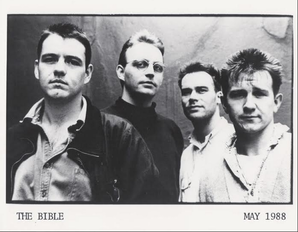
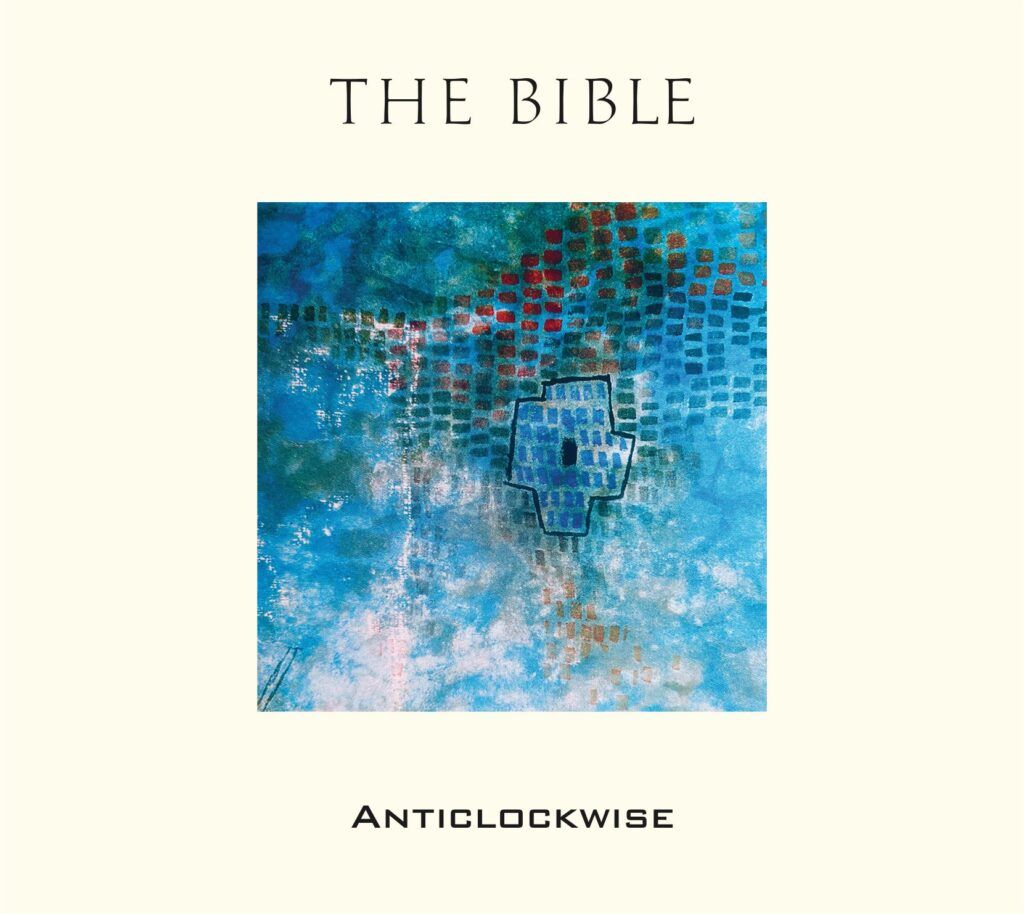
More than three decades after their record label rejected the recordings, British cult favourites The Bible are finally giving their previously unreleased 1989 album a chance to be heard.
Some albums become famous because of the songs they contain. Others become fascinating because of the stories behind them. For The Bible, Anticlockwise belongs to the second category. Recorded in 1989 but never officially released, the album represents a missing chapter in the story of one of Britain’s most distinctive alternative pop bands.
Now, that chapter is finally being reopened.
Featuring singer-songwriter Boo Hewerdine and guitarist Neill MacColl, Anticlockwise arrives in November 2026. Its release brings long-unheard recordings back into focus and offers music fans an opportunity to discover a side of The Bible that remained out of public reach for decades.
The Band Behind ‘Graceland’ and ‘Honey Be Good’
The Bible emerged during the vibrant British independent music scene of the 1980s. Led by Boo Hewerdine, the band developed a sound that brought together thoughtful songwriting, melodic pop, folk influences and alternative rock.
Their debut album, Walking the Ghost Back Home, arrived in 1986. It attracted positive attention, with songs such as ‘Graceland’ and ‘Mahalia’ helping establish the band’s reputation. Their success brought them to the attention of major record labels, leading to a deal with Chrysalis Records.
The next chapter was Eureka, released in 1988. The album featured the production of American singer-songwriter Steve Earle, bringing a different dimension to the band’s sound. Tracks such as ‘Honey Be Good’ and ‘Crystal Palace’ demonstrated their ability to combine memorable melodies with thoughtful arrangements.
The Bible were never simply another guitar band of the decade. Their music had a distinctive character, shaped by different musical backgrounds and a strong commitment to songwriting.
The Album Their Record Label Never Released
Following Eureka, The Bible began working on their third album, Anticlockwise.
Recorded in 1989 and self-produced, the project represented another stage in the band’s musical development. However, the recordings did not receive the support the group had hoped for. Their record label rejected the material and chose to focus on previously released recordings instead.
As a result, Anticlockwise remained unreleased.
For listeners, this created an unusual gap in the band’s discography. While their earlier albums continued to attract interest, an entire collection of recordings remained largely outside the public conversation.
The album’s eventual release changes that story. Rather than being another retrospective compilation, Anticlockwise offers the opportunity to hear a previously missing part of The Bible’s creative journey.
It also raises an interesting question: how might the band’s history have developed if these recordings had reached audiences in 1989?
Boo Hewerdine and Neill MacColl: A Distinctive Musical Partnership
At the centre of The Bible’s identity are two musicians with remarkable musical backgrounds.
Boo Hewerdine has built a respected career as a singer-songwriter, known for his thoughtful lyrics, expressive vocals and melodic approach to songwriting. His work extends well beyond The Bible, with collaborations and songwriting projects spanning folk, pop and contemporary music.
Neill MacColl brings a different but equally important musical perspective. He is the son of influential folk musicians Ewan MacColl and Peggy Seeger, and the brother of the late singer-songwriter Kirsty MacColl.
That musical heritage places Neill within an extraordinary British musical family. Ewan MacColl wrote songs including ‘The First Time Ever I Saw Your Face’, while Kirsty MacColl became internationally recognised for her music and her unforgettable collaboration with The Pogues on ‘Fairytale of New York’.
Together, Hewerdine and MacColl helped shape the musical character that made The Bible distinctive.
Why ‘Anticlockwise’ Matters Today
The rediscovery of previously unreleased music has become an important part of understanding British musical history. Albums that were rejected, abandoned or left unfinished can reveal creative directions that audiences never had the chance to experience.
For The Bible, Anticlockwise is particularly significant because it comes from a period when the band were developing their sound and navigating the pressures of the record industry.
Its release also offers a fresh opportunity for younger listeners to discover a group whose songwriting deserves to be heard beyond the nostalgia of the 1980s.
More than three decades after its original recording, Anticlockwise finally gets its moment.
The Bible’s previously unreleased album Anticlockwise is scheduled for release in November 2026.