A new recording from the Norwegian ensemble explores the imaginative world of Georg Philipp Telemann, combining intricate chamber arrangements, expressive cantatas and a fresh approach to historical performance.
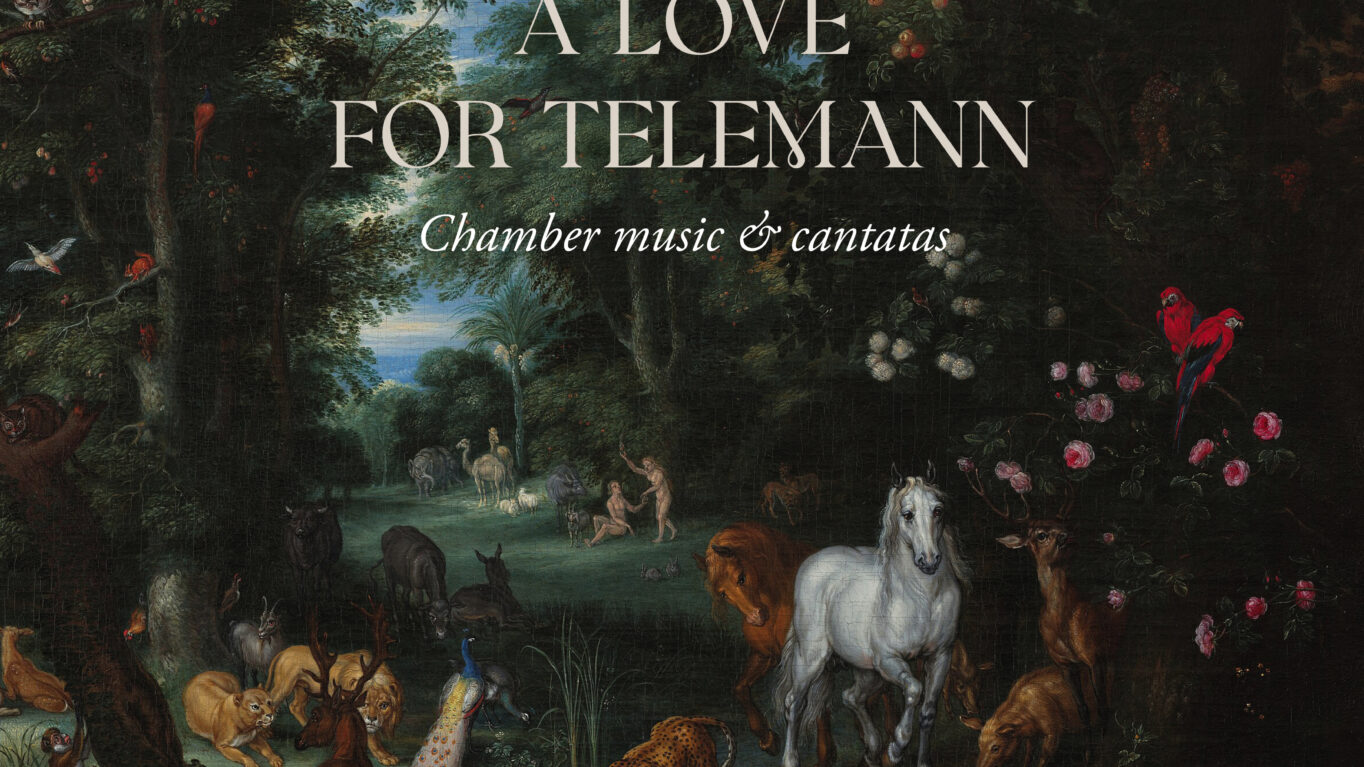
There is something particularly inviting about the music of Georg Philipp Telemann. Despite the complexity of his compositions, his work possesses an unmistakable sense of movement, character and freedom. These qualities take centre stage in A Love for Telemann, the latest recording from Norwegian Baroque ensemble Ensemble C4, released through LAWO Classics.
Rather than approaching the composer’s catalogue as a collection of historical masterpieces to be preserved, Ensemble C4 use this album to explore the possibilities that remain within his music. The result is a programme that highlights the relationship between musical precision and individual expression, demonstrating why Telemann’s compositions continue to resonate with performers today.
Born in Magdeburg in 1681, Telemann became one of the most productive composers of the Baroque period. His career took him through Leipzig, Sorau, Eisenach and Frankfurt before he settled in Hamburg in 1721, where he served as cantor until his death in 1767. His influence extended well beyond composition, with his publishing activities helping distribute his music throughout Europe during his lifetime.
On A Love for Telemann, Ensemble C4 explore several sides of this extensive musical legacy. The programme moves between chamber compositions and vocal works, creating a varied listening experience that places instrumental dialogue alongside the expressive possibilities of the human voice.
The chamber works are particularly interesting for the freedom they offer the performers. The Trio Sonata in G minor, TWV 42, and Trio Sonata in F major, TWV 42, reveal Telemann’s ability to create engaging musical conversations between instruments. Meanwhile, the Sonata without Bass in G minor, TWV 40:104, provides another opportunity to appreciate the composer’s inventive approach to instrumental writing.
The vocal repertoire brings a different emotional dimension. Countertenor Daniel Sæther performs the cantatas Jauchzet, frohlocket! der Himmel ist offen and Kein Vogel kann im weiten Fliegen, both drawn from Harmonischer Gottesdienst. Through their combination of voice, instrumental accompaniment and continuo, these works transform religious texts and reflections on human behaviour into intimate musical narratives.
The recording also features the Missa brevis, TWV 9:14, a concise setting in which Telemann demonstrates how even traditional musical material can be approached with imagination and vitality.
What makes this project particularly compelling is the ensemble’s understanding of historical interpretation. For Ensemble C4, authenticity does not necessarily mean reproducing the past as accurately as possible. Instead, it emerges through a combination of historical knowledge, musical experience and curiosity. The musicians regard the score as an invitation to collaborate with the composer, allowing room for spontaneity, improvisation and individual character.
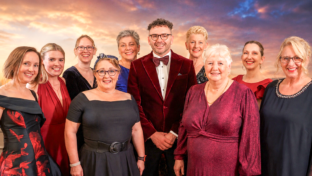
This philosophy reflects the group’s wider artistic identity. Founded in 2015 by recorder player Caroline Eidsten Dahl, countertenor Daniel Sæther and baroque violinist Ingrid Økland, Ensemble C4 has developed a repertoire spanning early music and contemporary compositions. Their work with Norwegian composer Knut Vaage further demonstrates their interest in connecting historical instrumentation with modern creative perspectives.
Alongside the founding musicians, the album features Maria Ines Zanovello (violin), Henrikke G. Rynning (cello), Jadran Duncumb (lute and baroque guitar), André Lislevand (viola da gamba) and Christian Kjos (harpsichord).
Recorded at Grorud Church in Oslo in January 2025, the album captures a musical partnership built on years of shared performance experience and familiarity with Telemann’s repertoire.
A Love for Telemann is ultimately a celebration of musical freedom. By approaching Baroque compositions as living works rather than distant historical artefacts, Ensemble C4 reveal the enduring appeal of a composer who understood the importance of giving musicians room to create. Centuries later, that freedom remains one of Telemann’s greatest strengths.