You’ve recorded a song. So how does it actually end up on Spotify, Apple Music and everywhere else? The answer is music distribution — and once you understand it, releasing music stops feeling like a mystery.
What is music distribution?
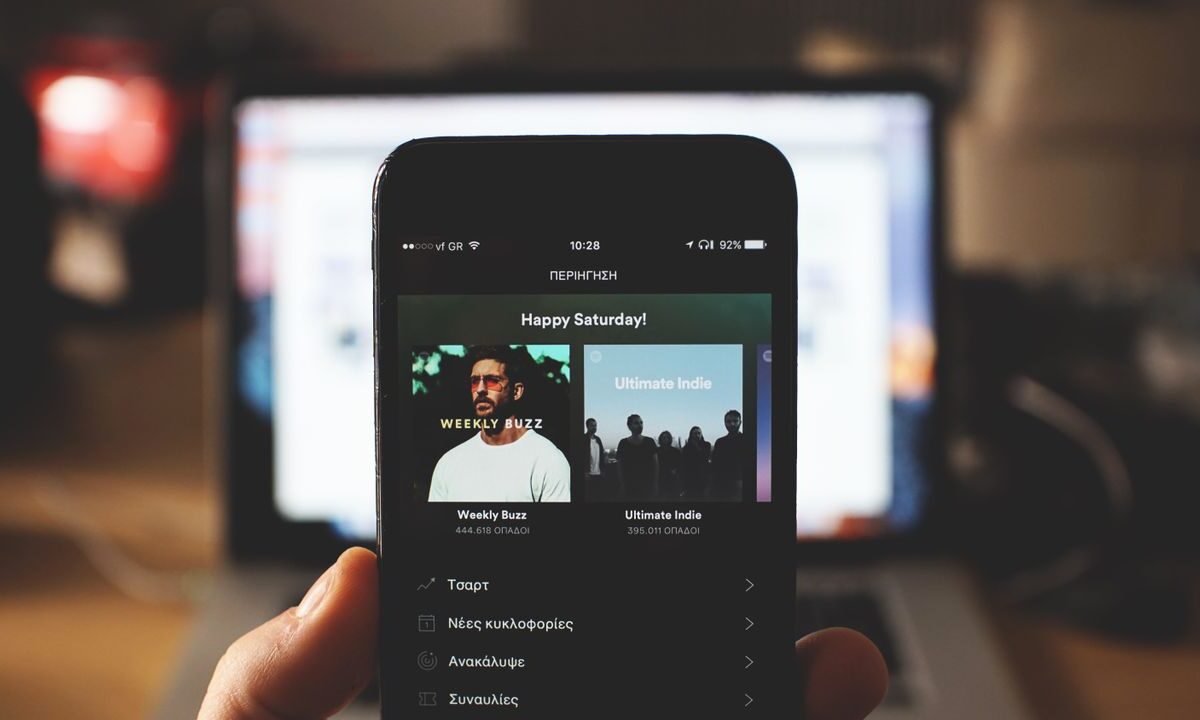
Music distribution is the process of getting your recordings onto streaming services and stores like Spotify, Apple Music, YouTube Music, Amazon Music, TikTok and Deezer. As an independent artist, you don’t deal with each platform directly — you go through a distributor (sometimes called an aggregator) that delivers your music to all of them from a single upload.
How it works, step by step
- You finish and master your track and prepare your cover art.
- You upload the audio, artwork and metadata to a distributor.
- The distributor assigns your codes (ISRC and UPC) and checks your files meet each platform’s requirements.
- It delivers your release to every service and store you’ve chosen.
- Your music goes live on your release date — usually after a few days to a couple of weeks of processing.
- The platforms report your plays and sales, and the distributor collects your earnings and pays them to you.
What a distributor actually does for you
- Delivers to dozens of platforms from one upload
- Assigns your ISRC and UPC
- Collects your streaming and download royalties and pays you
- Often adds extras: pre-save links, Spotify pitching tools, automatic payment splits for collaborators, and basic analytics
Choosing a distributor
There are several well-known options — DistroKid, TuneCore, CD Baby, Amuse, Ditto and others — and they differ mainly in pricing model and features. Some charge a flat yearly fee and let you keep 100% of royalties, some take a percentage, and a few have free tiers. The right choice depends on how often you release and which features you need, so compare current pricing and terms before committing. (I’ll cover this head-to-head in a dedicated comparison post.)
What distribution doesn’t cover
Distribution gets your recording onto platforms, but it’s separate from publishing royalties — the money owed to songwriters. To collect those, you also register with a performing rights organisation, and often a publishing administrator. That’s a topic for its own guide.
Quick FAQ
- Do I need a distributor? For streaming platforms, yes — independent artists can’t upload directly to most of them.
- How long until it goes live? Typically a few days to two weeks; submit early, especially if you want to pitch for playlists.
- Do I keep my rights? Yes — using a distributor doesn’t transfer ownership. You keep your masters.